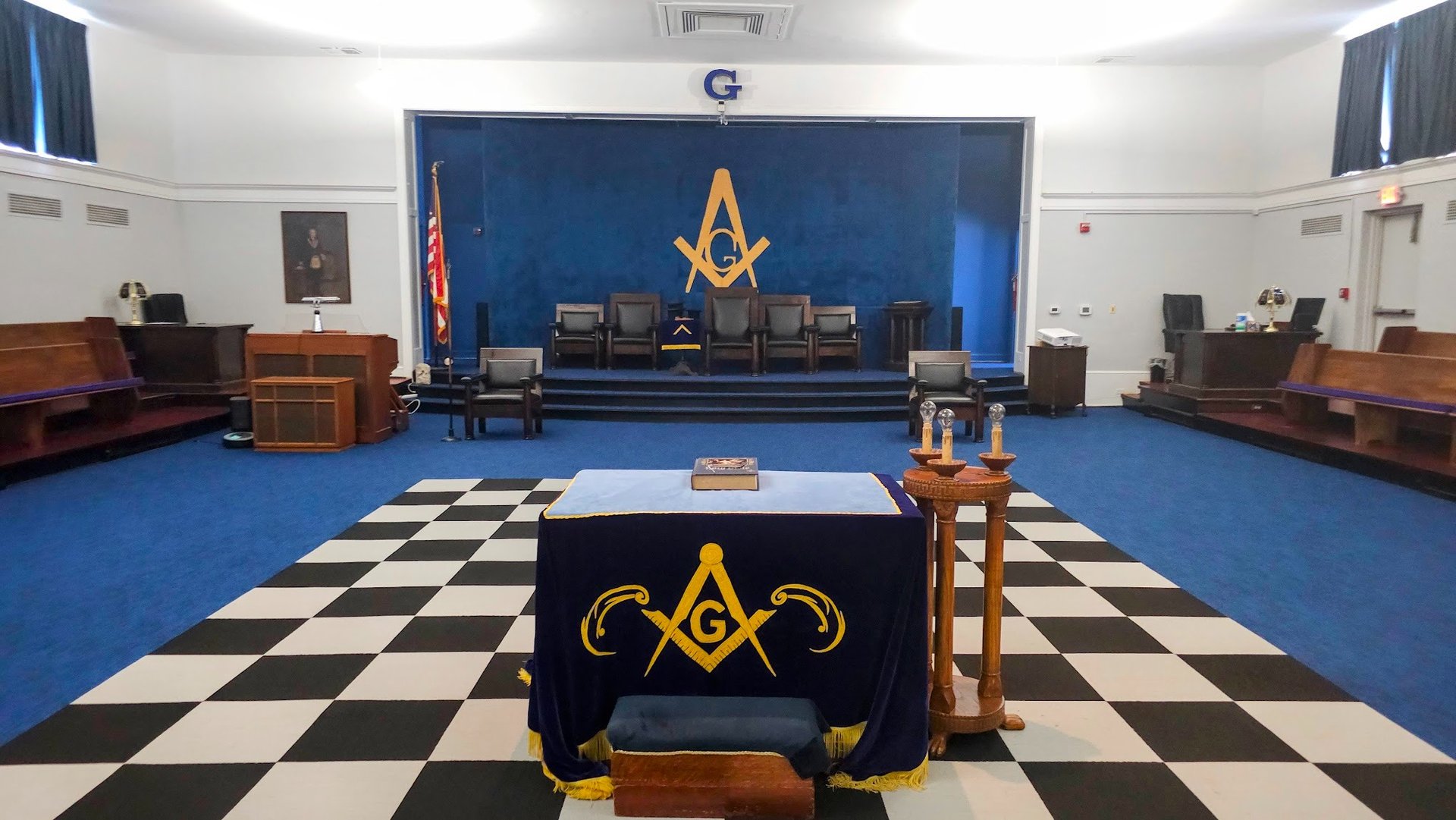
Our Lodge's Story
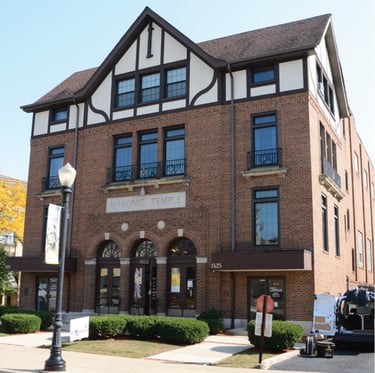
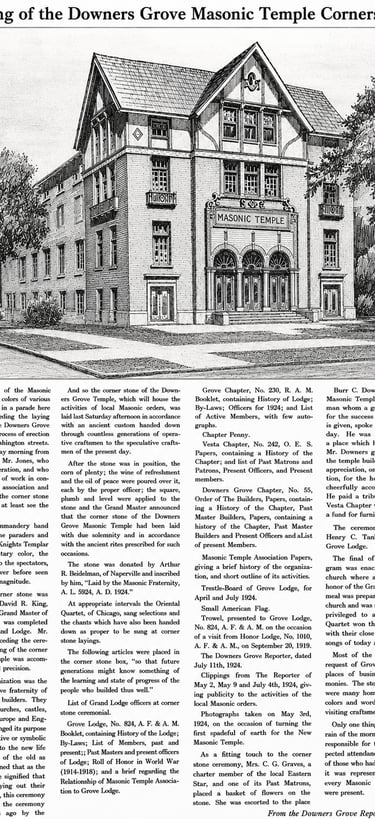
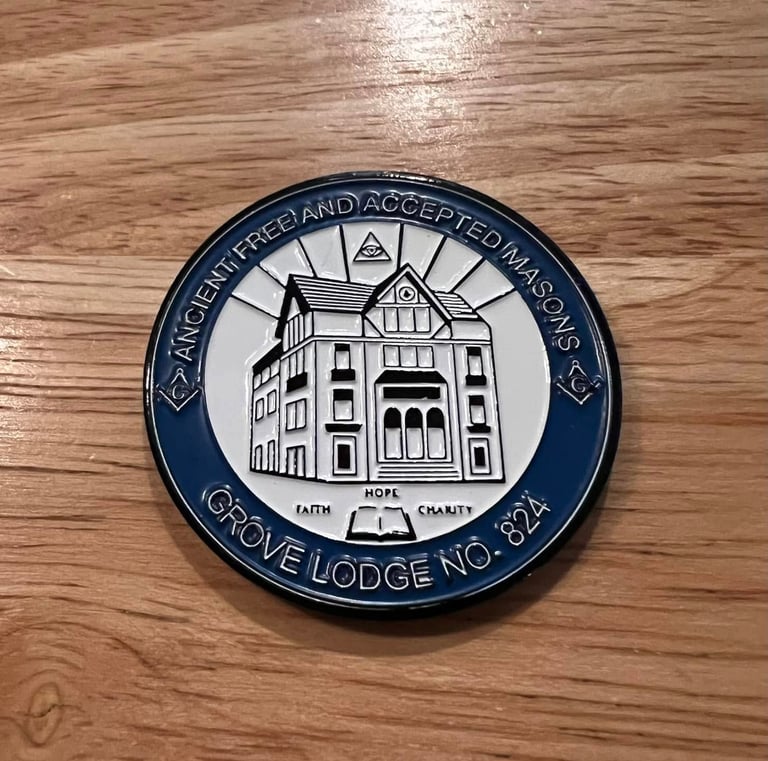
Constructed in 1924 as the home of Grove Lodge No. 824, Ancient Free and Accepted Masons, this distinctive building was designed by the Chicago architectural firm of Fugard & Knapp. The structure blends elements of two traditional English-inspired architectural styles. Its lower levels reflect the symmetry and masonry traditions of the Georgian Revival, featuring brick walls accented by limestone details, including prominent keystones and impost blocks over rounded arches. In contrast, the upper story draws inspiration from the English Country style, incorporating stucco, exposed timberwork, and decorative curved wooden members known as crucks, which evoke the appearance of supporting the roof.
The craftsmanship of the building is evident in its brickwork. Much of the exterior is laid in the English bond pattern, reflecting the English roots of the Georgian style. Around the main entrance, visitors can observe more elaborate decorative masonry, including basket-weave courses, diaper patterns, and scroll-like designs that lend the façade a sense of symbolism and refinement often associated with Masonic architecture.
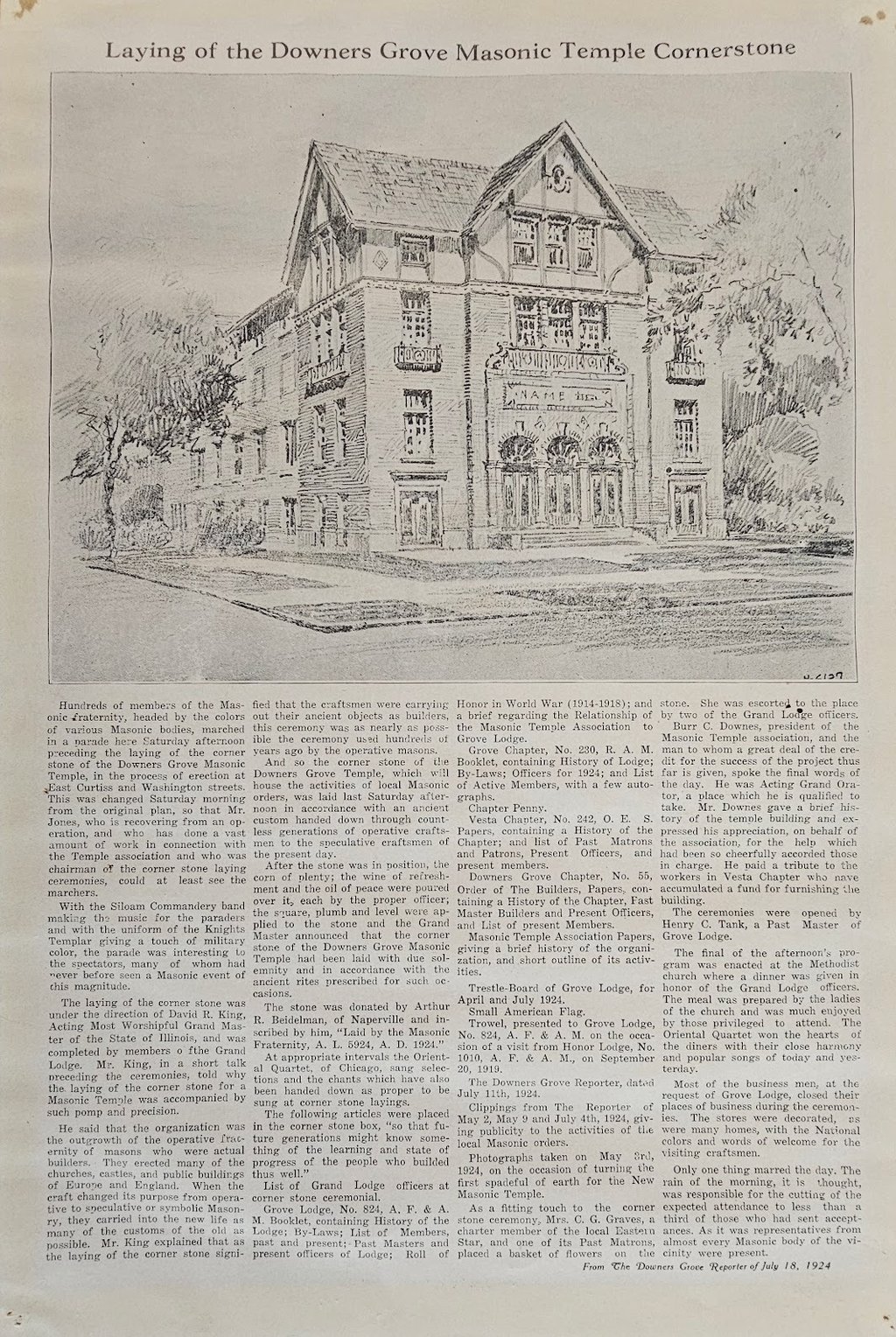
The building's cornerstone ceremony took place on July 12, 1924, and the Lodge held its first meeting in the new temple on February 16, 1925. The opening was marked by a celebratory ball held in the ballroom on the upper floor.
Beyond its role as a Masonic meeting place, the building has served the broader community during several periods of national need. During the Great Depression, it functioned as a registration site for the federal Re-Employment Service, helping local men enroll for work programs established under the New Deal. Financial hardship nearly cost the Lodge its property during those difficult years, but in 1937 Worshipful Master Charles K. McCann intervened by purchasing the building for delinquent taxes and transferring ownership back to the Lodge for the symbolic sum of one dollar.
The building continued its service during World War II, when it was utilized as both a Civil Defense Shelter and a training facility for military motor pool operations. It also played an important role following the tragic Zephyr train crash of 1947, serving as a temporary hospital for those affected by the disaster.
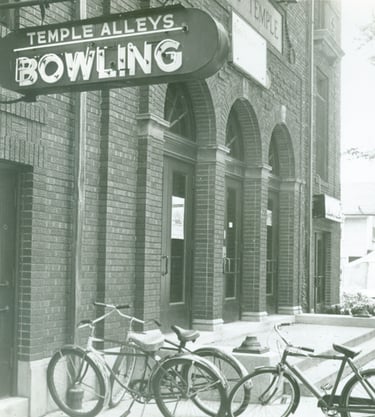
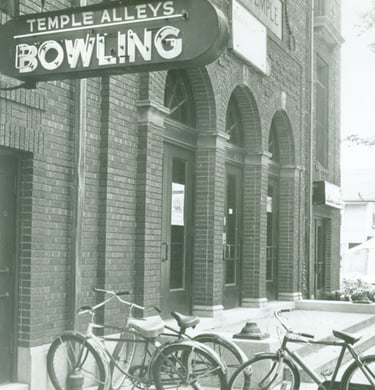
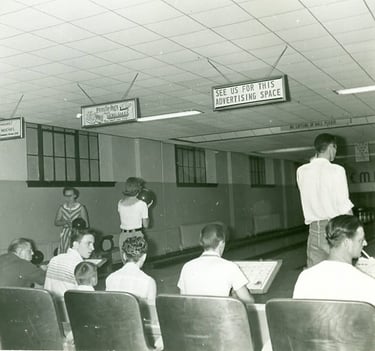
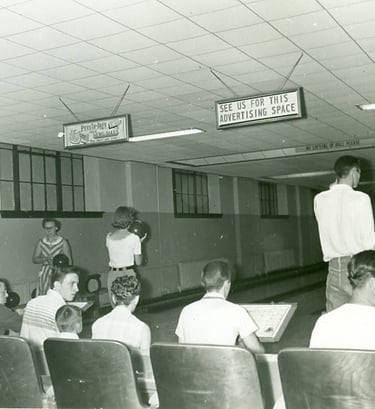
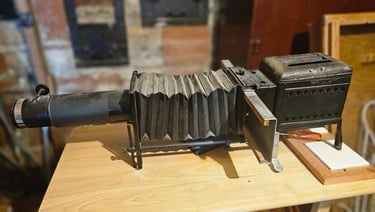
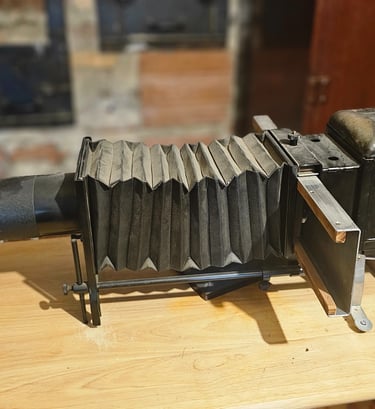
Over the decades, the temple has been home to a variety of organizations and businesses. The York Rite bodies and the Order of the Eastern Star once met within the building, contributing to its long tradition of fraternal activity. The basement housed Temple Bowling, a popular bowling alley that served the community for many years. Other former tenants have included a photography studio and Evolution Music, a local music store. While these organizations and businesses are no longer located in the building, they remain part of its rich history.
Today, the temple continues to be a vibrant center of community life. In addition to Grove Lodge No. 824, the building is home to Ghostlight Theatre, a local theater troupe, Unbroken Family Counseling, and the Accounting offices of Labuda & Lemerman. Together, these tenants reflect the building's continued evolution as a place of fellowship, service, creativity, and professional endeavor.
As the nation commemorates the 250th anniversary of the United States, the property has gained another chapter in its history. In recognition of this milestone, a Liberty Tree was recently planted on the grounds. The tree serves as a living symbol of the ideals of liberty, civic responsibility, and patriotism that helped shape the nation. A formal dedication ceremony is scheduled to take place on July 4, marking both Independence Day and the building's ongoing connection to the community and the principles upon which the United States was founded.
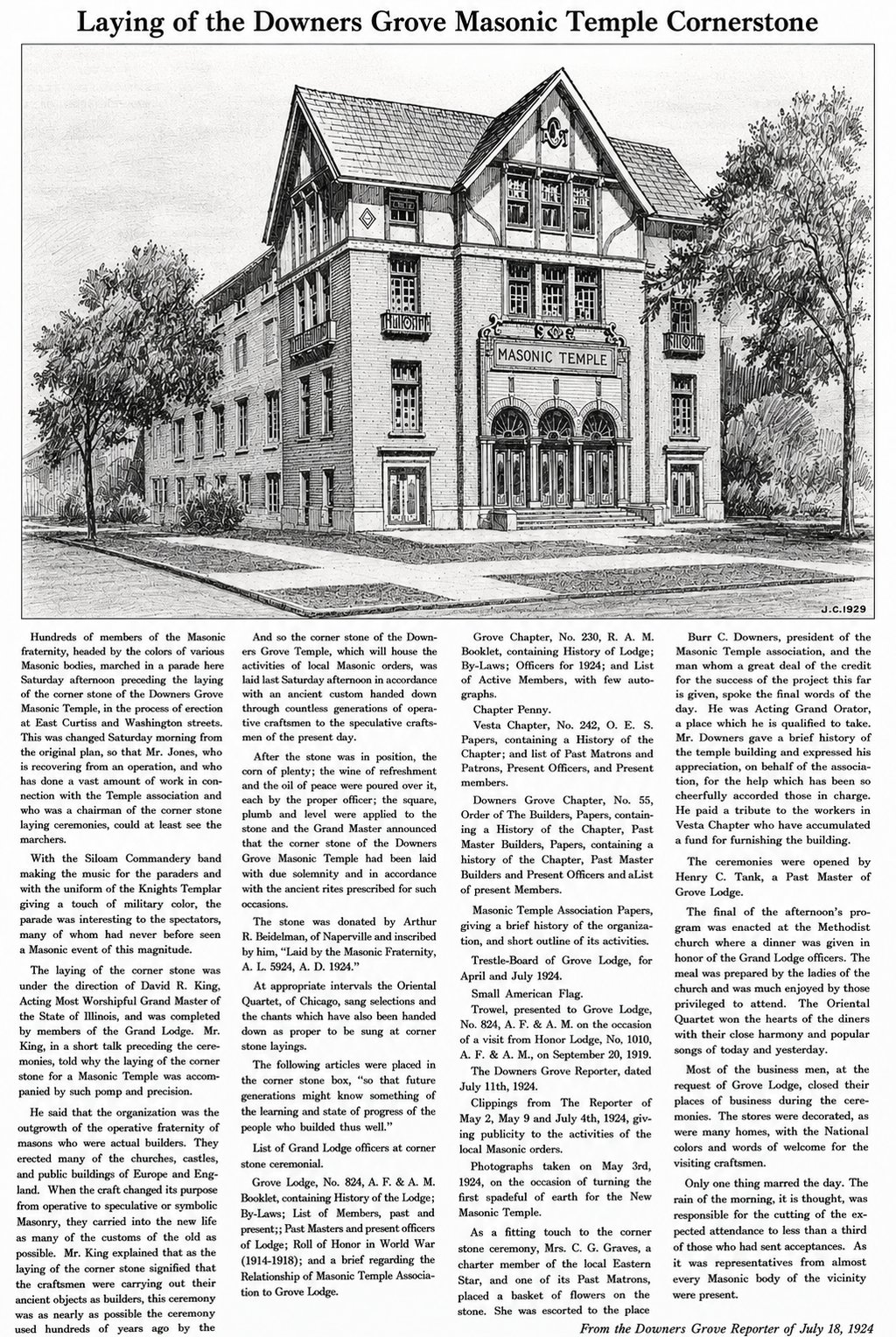
Upgraded Article
Original Article
Our Legacy
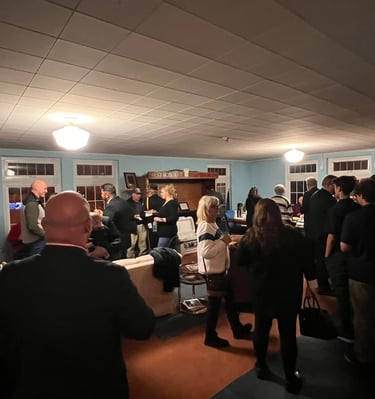
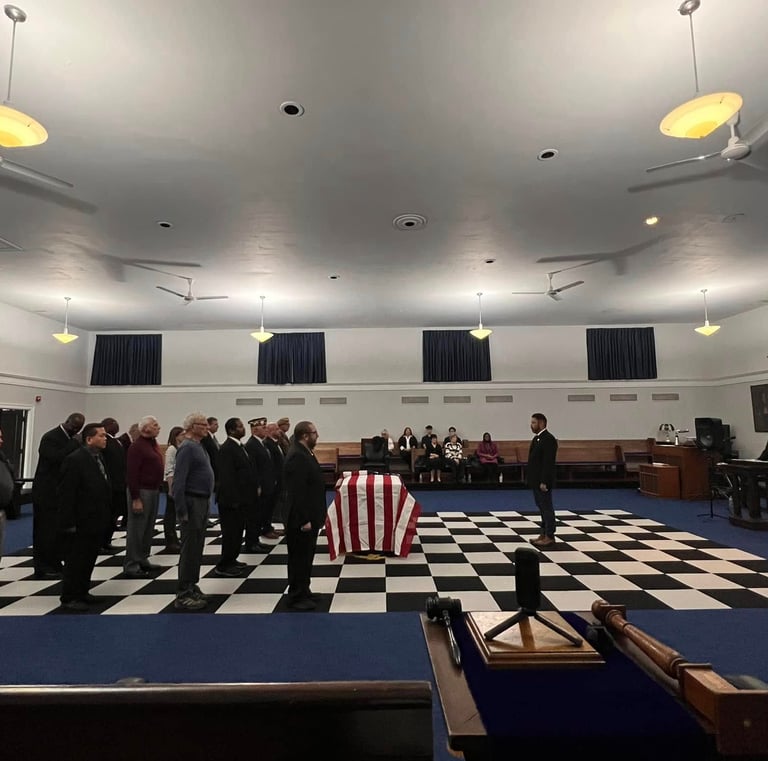
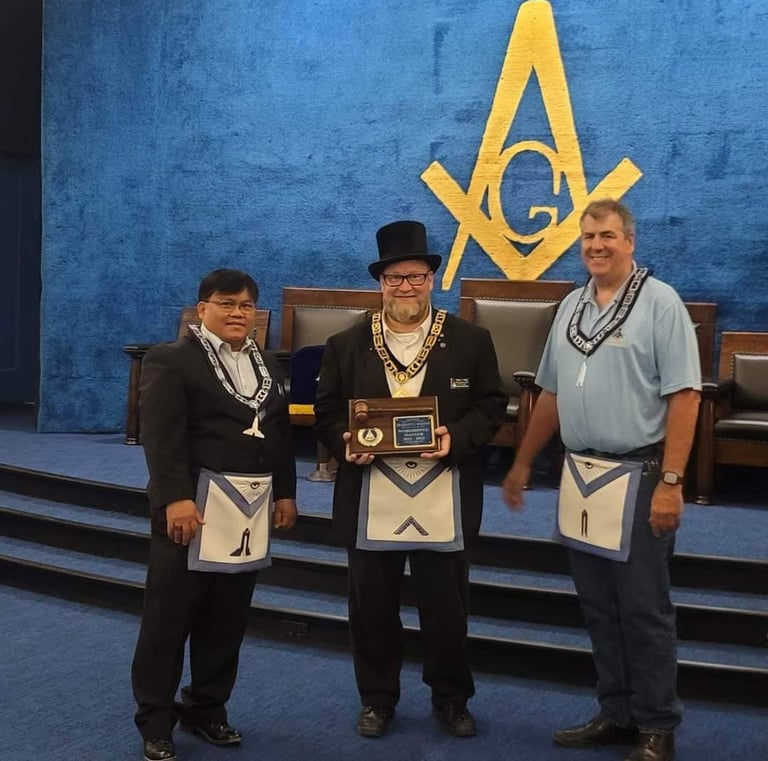
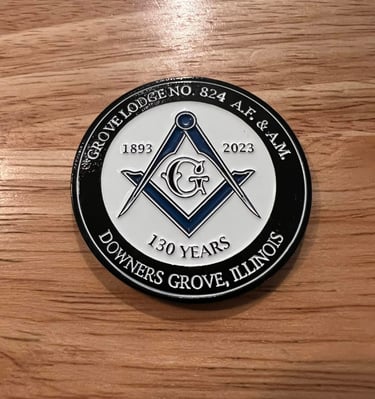
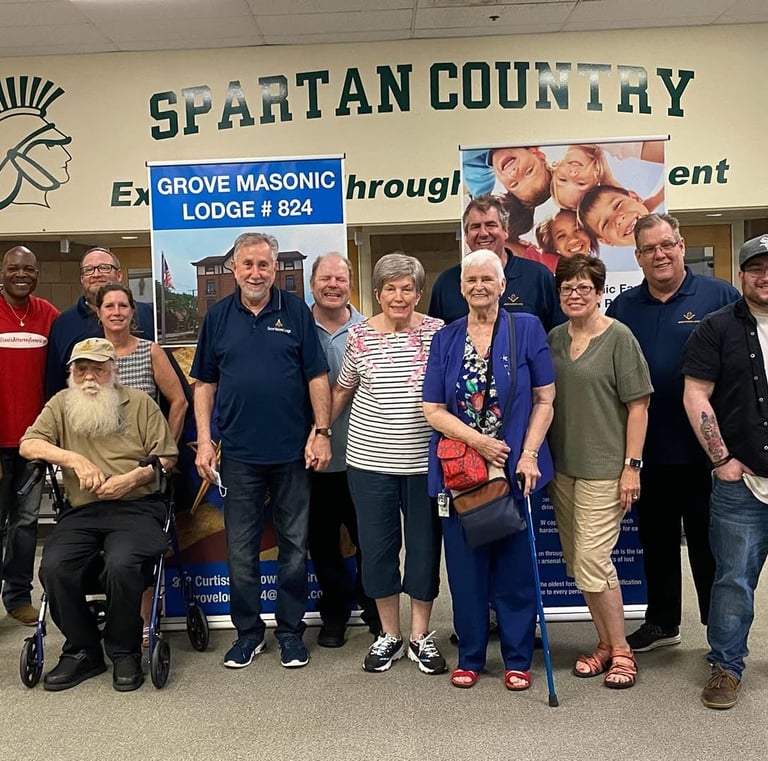
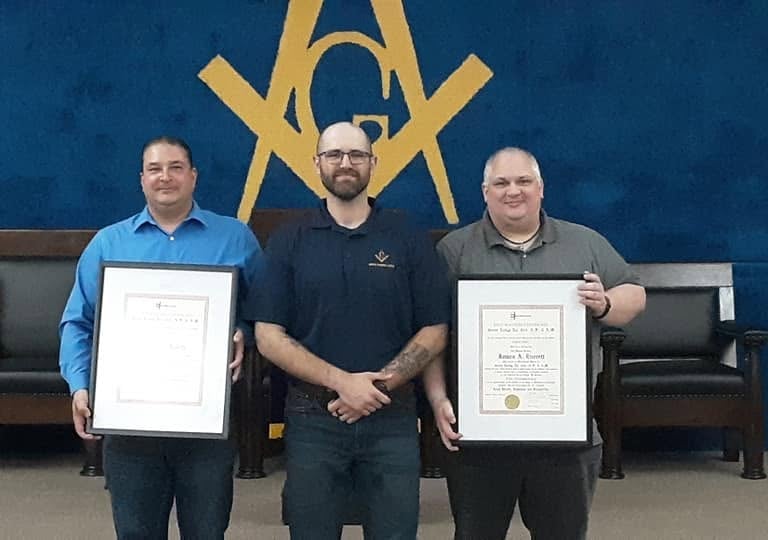
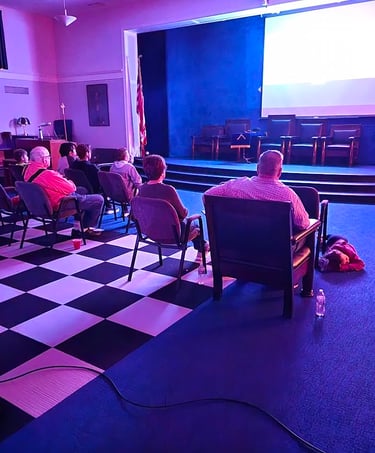
Moments captured from Grove Masonic Lodge #824's rich history.
Spotlight
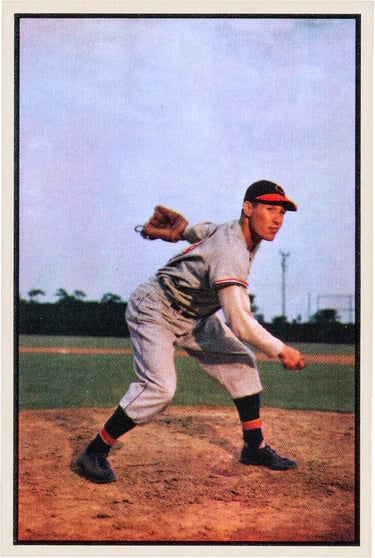
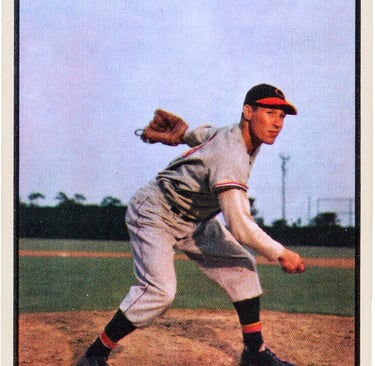
Among the distinguished members of Grove Lodge #824 was Bob Feller, one of the greatest pitchers in the history of Major League Baseball. Known as "Rapid Robert" for his blazing fastball, Feller spent his entire 18-year career with the Cleveland Indians and became one of the most dominant pitchers of his era. During his remarkable career, he was selected to multiple All-Star teams, led the American League in numerous pitching categories, and helped lead the Cleveland Indians to victory in the 1948 World Series, the franchise's most recent championship.
Beyond his accomplishments on the baseball field, Feller was known for his patriotism and sense of duty. Following the attack on Pearl Harbor, he became the first Major League Baseball player to enlist in the United States military during World War II, serving in the U.S. Navy for nearly four years. His willingness to place service to his country above his professional career earned him widespread admiration and reflected the values of integrity, sacrifice, and dedication that Freemasonry seeks to instill in its members.
Baseball Hall of Famer Bob Feller
The purpose of a member spotlight is not to elevate one brother above another, but rather to preserve and share the rich history of our lodge and the men who have contributed to it. Every Mason who has passed through the doors of Grove Lodge #824 has added to its legacy through his service, friendship, and commitment to the Craft. By highlighting individual members—whether they are community leaders, veterans, long-serving officers, craftsmen, or even nationally recognized figures—we celebrate the diverse paths that have brought men together in Freemasonry.
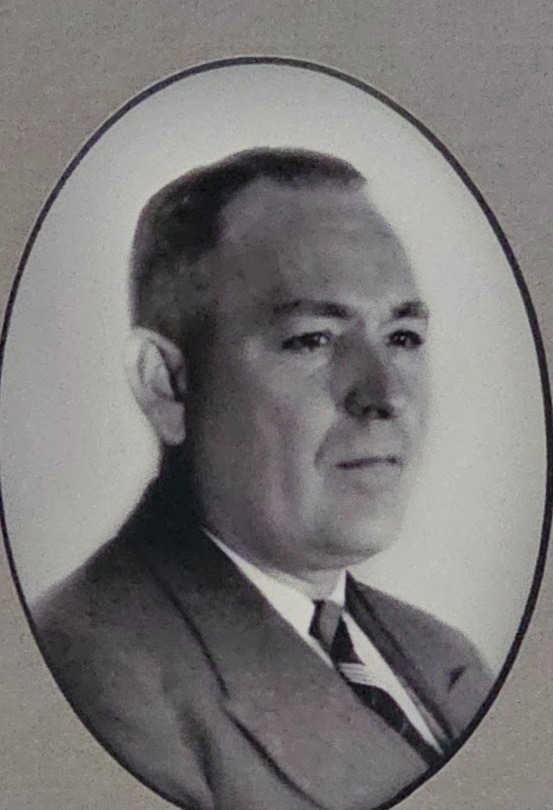
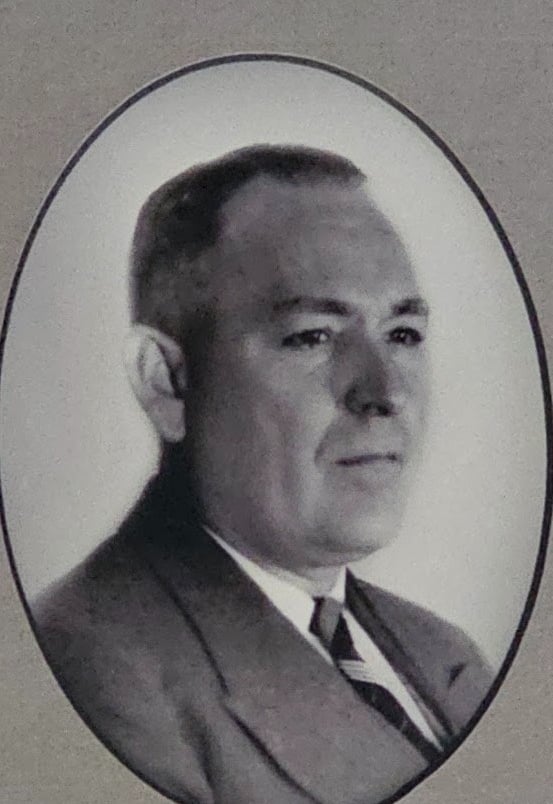
W Bro. Charles K. McCann
The history of Grove Lodge #824 is filled with examples of perseverance, service, and brotherly devotion, but few stories better illustrate those values than the actions of Worshipful Master Charles K. McCann during the Great Depression.
As communities across America struggled through economic hardship, Grove Lodge faced many of the same challenges. During this difficult period, the lodge building became an important community resource, serving as the registration center for the National Re-Employment Service, where local men could register for work through New Deal government programs. While the lodge was helping members of the community find employment and support their families, its own future was uncertain as financial pressures threatened the ownership of the building itself.
In 1937, with the lodge in danger of losing its property due to unpaid taxes, Worshipful Master Charles K. McCann stepped forward to protect the home of Grove Lodge. He purchased the building for the taxes owed, ensuring that it would not be lost during the economic crisis. Once the lodge's situation had stabilized, Brother McCann sold the property back to Grove Lodge for the symbolic sum of one dollar.